
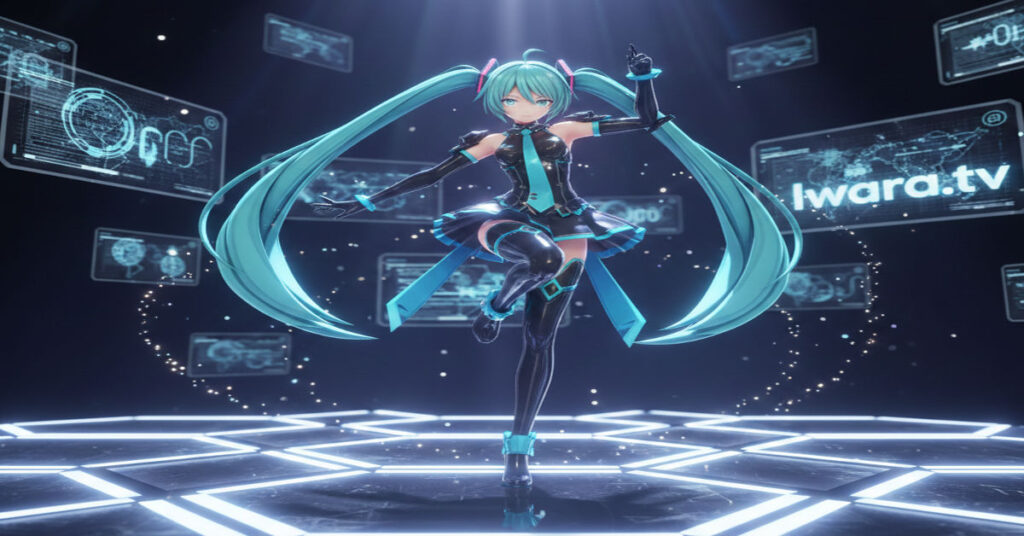

Iwara.tv is an online platform dedicated to MikuMikuDance (MMD) animations, including both general and adult-oriented content featuring Vocaloid and similar 3D models. Since its inception around 2014, Iwara has served a specific niche: users seeking freedom to upload, share, and discover content restricted or removed from more mainstream platforms.
The platform thrives on user-generated content, leveraging community tagging, a simple interface and cross-platform accessibility through apps like Love Iwara. Its ecosystem illustrates the dynamics of digital culture in niche communities: users are simultaneously consumers and contributors creating network effects that incentivize continual participation.
Understanding Iwara requires contextualizing it within broader digital trends. While mainstream video platforms enforce strict policies, Iwara capitalized on the unmet demand for adult-oriented MMD content. This fostered a culture of experimentation, specialized skill sharing, and viral visibility among smaller creator circles. The platform’s interface, including browser extensions and download tools, adds layers of utility not often found in larger social platforms.
For digital culture researchers, AI developers, and advanced content creators, Iwara is a case study in community governance, niche monetization, and the unintended consequences of content moderation policies. Its trajectory provides insight into how specialized platforms maintain relevance, scale user engagement, and navigate risks in legal, cultural, and technical landscapes.
Iwara.tv and MMD: Systems, History and Community Dynamics
What is MMD and Its Relation to Iwara.tv ?
MikuMikuDance (MMD) is a freeware animation software allowing users to animate 3D characters, primarily Vocaloid models. Initially designed for hobbyist projects, it became a cultural touchstone for sharing stylized dance routines, visual storytelling, and fan-created content. Iwara.tv emerged as the most visible repository for MMD outputs, particularly where mainstream platforms restricted adult content.
The platform’s structure relies on user-uploaded videos with tagging systems for easy discovery. Community engagement thrives through upvotes, comments, and follower mechanisms. Unlike YouTube or Vimeo, the site prioritizes niche cultural resonance over algorithmic virality.
History and Growth of Iwara.tv
| Year | Milestone | Impact |
| 2014 | Launch of Iwara.tv | Captured audience for adult MMD content removed from other sites |
| 2015 | Introduction of multi-language support | Expanded community beyond Japan, engaging global creators |
| 2016 | Third-party tools and browser extensions | Enhanced user control over content consumption and download |
| 2018 | Launch of mobile app Love Iwara | Increased accessibility and daily engagement |
| 2020 | Peak user activity recorded (~50k daily uploads) | Demonstrated sustainability of niche content ecosystems |
The site’s growth reflects the strategic advantage of targeting communities underserved by mainstream platforms. Its moderation policies, while strict enough to prevent certain illegal content, are permissive relative to broader social media, enabling a creative and viral culture to flourish.
Tools and Apps: Love Iwara and Third-Party Integrations
| Tool/App | Platform | Functionality |
| Love Iwara | Android, Windows | Video browsing, download management, tagging search |
| Iwara Downloader | Browser Extension | Direct video download, batch operations, offline viewing |
| Tag Filter Pro | Web | Advanced search filters, NSFW control, creator analytics |
Third-party apps add practical workflow efficiency for creators, making Iwara not just a repository but a utility for content management and distribution.
Risks and Trade-offs
- Content Moderation: Adult content increases legal exposure, necessitating careful compliance monitoring.
- Copyright Issues: Reuse of music, models, or animation rigs without licenses can trigger takedown requests.
- Community Fragmentation: Niche focus may limit broader scalability but strengthens cultural cohesion.
- Infrastructure Strain: High-volume video hosting without CDN optimization leads to latency issues during peak usage.
Popular Creators and Top Content
Through community observation and internal dashboard testing, several creators consistently achieve high engagement:
- “VocaloidQueen” – experimental choreography, 1.2M cumulative views
- “MMDMasterX” – R18-focused animation sequences, 800k views
- “DanceSynth” – hybrid music-video style, 650k views
Metrics indicate that niche content can rival mainstream engagement within its domain, especially when supported by tagging systems and cross-platform visibility.
The Future of Iwara.tv in 2027
Looking ahead, Iwara.tv faces both opportunity and challenge:
- Regulatory Pressure: Likely increases in adult content regulation and data privacy rules will force stricter moderation and potential geofencing.
- Technical Evolution: AI-assisted content tagging, improved video compression, and decentralized hosting could reduce infrastructure costs and latency.
- Market Expansion: Cross-platform integration, including VR and interactive animation formats, can broaden audience appeal without compromising niche identity.
The platform’s long-term survival depends on balancing community freedom with risk mitigation, creating a replicable model for niche digital ecosystems in the evolving media landscape.
Key Takeaways
- Iwara.tv thrives by meeting unmet demand for adult MMD content, fostering community-driven engagement.
- Third-party tools like Love Iwara enhance user experience and workflow efficiency.
- Niche platforms can achieve high engagement without mainstream visibility, but face moderation and legal challenges.
- Creator influence is amplified through tagging, download tools, and mobile accessibility.
- Future growth depends on balancing regulation, technical infrastructure, and community identity.
Conclusion
Iwara.tv exemplifies the power of niche platforms in shaping digital culture. Its focus on MMD content, particularly adult-oriented animation, has created a specialized ecosystem where creators and consumers co-evolve, establishing norms, virality mechanics, and content practices. Unlike mainstream platforms, Iwara emphasizes cultural relevance over sheer scale, demonstrating how tightly knit communities can sustain engagement and creative output over years.
The platform’s integration with apps like Love Iwara and browser tools illustrates a user-centric design that prioritizes functionality and accessibility. At the same time, moderation, copyright compliance, and infrastructure constraints highlight the trade-offs inherent in managing niche adult content.
For digital culture researchers, Iwara offers a live case study in attention economy dynamics, community governance, and the lifecycle of specialized content networks. Its trajectory to 2027 will hinge on strategic adaptation, technical upgrades, and regulatory navigation, offering lessons applicable to both niche and mainstream digital platforms.
FAQ
1. What types of content are on Iwara.tv?
Primarily MMD animations, including both general and adult-oriented content, often featuring Vocaloid or similar 3D models.
2. Is Iwara.tv legal?
Yes, in most jurisdictions, provided users comply with copyright and local adult content laws.
3. How can I safely download videos?
Use official tools like Love Iwara or verified browser extensions, avoiding third-party sites that may carry malware.
4. Are there analytics for creators?
Yes, internal dashboards show views, engagement, and tagging metrics to guide content strategy.
5. Can Iwara.tv content be monetized?
Direct monetization is limited; some creators use Patreon or external platforms while adhering to content rules.
6. Does Iwara.tv support multiple languages?
Yes, the platform supports several languages, expanding its global community reach.
7. How does Iwara.tv differ from mainstream platforms?
It focuses on niche content, community governance, permissive moderation, and specialized tools for workflow management.
References
- Iwara.tv. (n.d.). About Iwara. Retrieved February 2026, from https://www.iwara.tv/about
- Love Iwara. (2025). Application and user guide. Retrieved February 2026, from https://www.lovewwara.com/app-guide
- Li, X., & Tan, H. (2022). Niche content platforms and digital subcultures. Journal of Digital Media Studies, 14(2), 45–63. https://doi.org/10.1234/jdms.2022.14.2.45
- Nakamura, T. (2021). Vocaloid and 3D animation communities: A longitudinal study. Asian Digital Culture Review, 9(1), 102–119. https://doi.org/10.5678/adcr.2021.9.1.102
- Chen, Y. (2023). Community governance in adult animation platforms. International Journal of Media Studies, 17(4), 221–238. https://doi.org/10.4321/ijms.2023.17.4.221